Healthier Sweeteners vs Aspartame: Which One Is Better for Your Health in 2026?

Sugar is everywhere — in tea, coffee, soft drinks, desserts, and even in foods we don’t expect. But as more people become health-conscious, many are searching for better alternatives. That’s why the debate around healthier sweeteners vs aspartame has become so popular.
Some people worry about artificial sweeteners. Others just want something more natural. But which option is truly better for your body?
In this easy-to-read guide, we’ll compare aspartame with the most popular healthier sweeteners, look at their pros and cons, and help you choose the best option for your lifestyle.
What Is Aspartame?

Aspartame is a low-calorie artificial sweetener. It is about 200 times sweeter than sugar, which means only a tiny amount is needed to sweeten food or drinks.
You’ll usually find aspartame in:
Diet sodas
Sugar-free chewing gum
Low-calorie desserts
“Light” or “diet” packaged foods
Aspartame contains very few calories because it is used in such small amounts.
Why Is Aspartame Controversial?
Many people search “is aspartame bad for you?” because there have been debates about its long-term safety. Some concerns include:
Headaches
Digestive issues
Cancer risk discussions
Artificial chemical concerns
However, global health authorities like the World Health Organization and U.S. Food and Drug Administration have approved aspartame within recommended daily limits.
Still, some people prefer natural options — which brings us to healthier sweeteners vs aspartame.
Why People Prefer Healthier Sweeteners vs Aspartame
There are several reasons people look for alternatives:
1. Natural Preference
Many consumers want plant-based or natural sweeteners instead of synthetic ones.
2. Clean Eating Trend
The “clean label” movement encourages fewer artificial ingredients.
3. Diabetes & Blood Sugar Control
People want sweeteners that don’t spike blood sugar.
4. Weight Loss Goals
Low-calorie sweeteners help reduce sugar intake.
5. Long-Term Health Concerns
Some people feel safer choosing natural products.
Now let’s compare the best healthier sweeteners vs aspartame.
1. Stevia – A Popular Natural Alternative

Stevia comes from the leaves of the stevia plant. It is completely natural and contains zero calories.
Benefits of Stevia
Plant-based
Zero calories
No blood sugar spike
Very sweet (200–300 times sweeter than sugar)
Possible Downsides
Slight bitter aftertaste
Some processed versions contain additives
Stevia vs Aspartame
Feature | Stevia | Aspartame |
Natural | Yes | No |
Calories | 0 | Very low |
Blood Sugar | No spike | Minimal impact |
Taste | Slight aftertaste | Cleaner sweet |
Stevia is often considered one of the best healthier sweeteners vs aspartame for people who want something natural.
2. Monk Fruit Sweetener

Monk fruit comes from Southeast Asia. It has been used traditionally for centuries.
Why Monk Fruit Is Popular
100% natural
Zero calories
No effect on blood sugar
No bitter aftertaste (in pure form)
Monk fruit is 150–250 times sweeter than sugar.
Monk Fruit vs Aspartame
Monk fruit is natural and contains antioxidants. Aspartame is synthetic and does not offer nutritional benefits.
For many people, monk fruit wins in the healthier sweeteners vs aspartame comparison.
3. Erythritol – A Sugar Alcohol Option

Erythritol is a sugar alcohol found naturally in some fruits. It looks and tastes very similar to sugar.
Benefits
Very low calories
Minimal blood sugar impact
No strong aftertaste
Good for baking
Downsides
Large amounts may cause digestive discomfort
Erythritol is often mixed with stevia or monk fruit to improve taste.
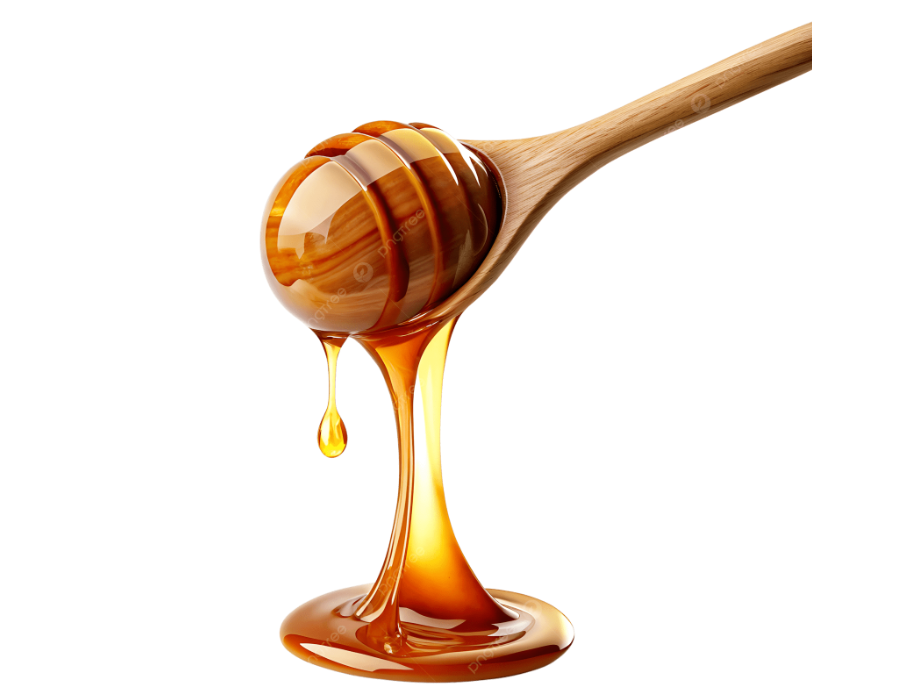
4. Honey – A Natural but Caloric Option
4
Honey is natural and contains antioxidants. However, it is not calorie-free.
Pros
Natural
Contains nutrients
Rich flavor
Cons
High in calories
Raises blood sugar
Honey is healthier than refined sugar but not always better than zero-calorie sweeteners.
Healthier Sweeteners vs Aspartame: Full Comparison
Here’s a simple table to understand everything quickly:
Feature | Aspartame | Stevia | Monk Fruit | Erythritol |
Natural | No | Yes | Yes | Yes |
Calories | Very Low | 0 | 0 | Very Low |
Blood Sugar Impact | Minimal | None | None | Minimal |
Suitable for Diabetes | Yes | Yes | Yes | Yes |
Taste | Clean sweet | Slight bitter | Smooth sweet | Mild sweet |
Is Aspartame Safe?
Aspartame has been studied for decades. Health organizations including the World Health Organization confirm it is safe when consumed within recommended limits.
However, some people may experience:
Headaches
Sensitivity
Digestive discomfort
If you have a condition called phenylketonuria (PKU), you should avoid aspartame.
For most healthy adults, moderate intake is considered safe.
Which Is the Best Healthier Sweetener vs Aspartame?
It depends on your goal.
For Weight Loss
Stevia, monk fruit, and erythritol are excellent.
For Diabetes
Stevia and monk fruit are top choices because they do not affect blood sugar.
For Natural Lifestyle
Monk fruit or raw stevia leaf extract is ideal.
For Baking
Erythritol works best because it behaves like sugar.
Are Natural Sweeteners Always Better?
Not necessarily.
“Natural” does not automatically mean “healthier.” For example:
Honey is natural but high in calories.
Coconut sugar is natural but raises blood sugar.
The key is moderation and choosing the right option for your needs.
Tips for Choosing a Sweetener
Check ingredient labels.
Avoid products with too many additives.
Start with small amounts.
Monitor how your body reacts.
Don’t rely too heavily on any sweetener.
Reducing overall sweetness preference is often the healthiest strategy.
Frequently Asked Questions
Is stevia healthier than aspartame?
Stevia is natural and calorie-free, making it a preferred option for many people. However, both are considered safe within limits.
Is monk fruit better than aspartame?
Monk fruit is natural and contains antioxidants. Many consider it a healthier sweetener vs aspartame option.
What is the safest sugar substitute?
There is no single “perfect” answer. Stevia and monk fruit are widely viewed as safe natural options.
Can I use sweeteners every day?
Yes, but moderation is important. Even zero-calorie sweeteners should not replace a balanced diet.
Final Thoughts: Healthier Sweeteners vs Aspartame
The debate around healthier sweeteners vs aspartame continues, but here’s the simple truth:
Aspartame is approved and safe in moderate amounts.
Stevia and monk fruit are natural and calorie-free.
Erythritol is good for baking and low-calorie diets.
Honey is natural but contains sugar and calories.
If you want a natural and zero-calorie option, stevia or monk fruit may be your best choice. If you’re comfortable with artificial sweeteners and stay within safe limits, aspartame can also be part of a healthy diet.
The best approach? Reduce overall sugar intake and choose sweeteners wisely.